Understanding Turmeric's Role: Flavor vs. Color
Turmeric does two jobs in a recipe: it adds a warm, slightly bitter, earthy flavor and it lends a rich yellow color. The right substitute depends on which role you need to fill. In many dishes, turmeric is mainly for color—like in rice or sauces—while in others it is a key flavor component, such as in curry pastes or spice rubs.
Because no single spice exactly replicates turmeric's unique profile, the best swap often comes from combining options. The following sections break down substitutes by what they replace, along with usage notes so you can adjust confidently.
Sources: Heal With Food
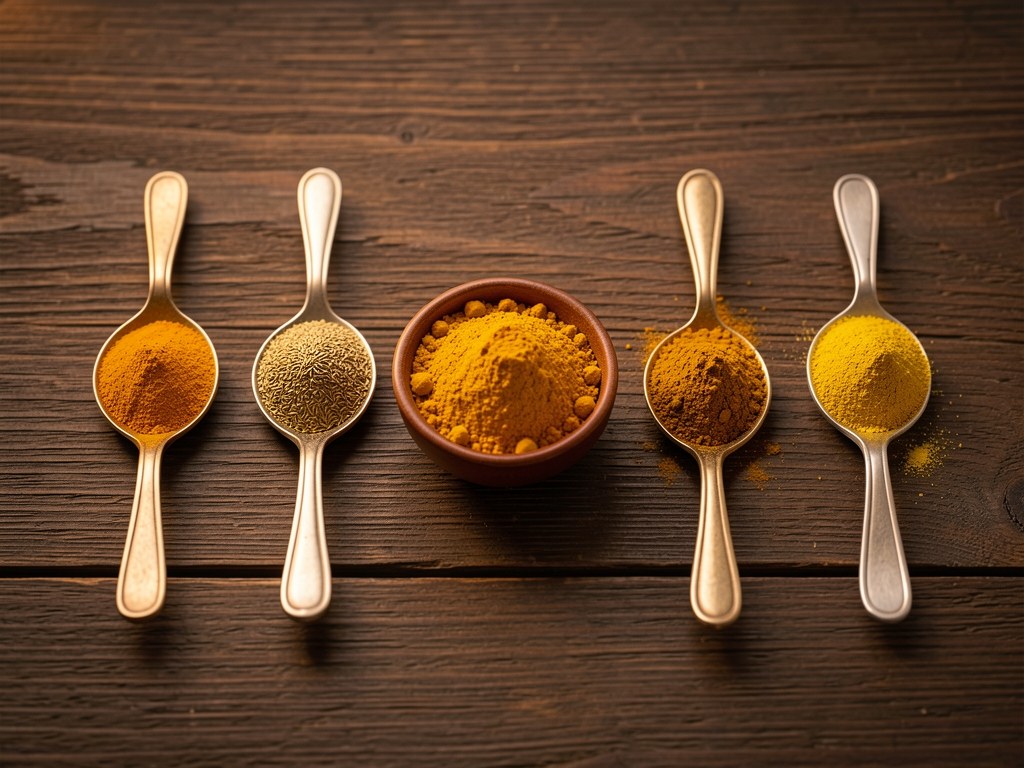
Spice Substitutes for Turmeric Flavor
When turmeric's earthy, peppery warmth is important, try these spices. Keep in mind that each has its own character, so start with the suggested amount and taste as you go.
- Dry mustard: Substitute in equal portions. It adds a similar pungent kick, though it lacks turmeric's yellow color. Mustard powder works best in sauces, dressings, and marinades.
- Cumin: Use in a 1:1 ratio when you want a bitter, earthy flavor. Cumin won't provide any yellow color, but it blends well in curries, soups, and spice blends.
- Curry powder: This is a good option in curries, but be cautious: it's often stronger than turmeric alone and can overwhelm other dishes. Use about half the amount of turmeric called for and adjust to taste.
- Other spices like coriander or ginger can round out the flavor but are less direct substitutes; try combining a small amount of dry mustard or cumin with a pinch of ginger for a closer match.
| Substitute | Flavor Notes | Suggested Amount | Provides Yellow Color? |
|---|---|---|---|
| Dry mustard | Pungent, similar kick | Equal amount | No |
| Cumin | Earthy, bitter | Equal amount | No |
| Curry powder | Complex, can be strong | About half the amount, then adjust | Yes |
Sources: Heal With Food, BigOven
Color Substitutes When Flavor Isn't the Goal
When a recipe uses turmeric mainly for its sunny color, you can turn to other ingredients that lend a golden hue without dramatically changing the taste. These work well in dishes where turmeric's flavor is not essential.
- Saffron: Provides a beautiful yellow color but has a distinct, delicate flavor that isn't like turmeric. Use it sparingly—a pinch is enough for most dishes.
- Annatto: Offers a similar yellow color with a sweet, slightly peppery taste. It's a common option for rice and stews. Look for annatto powder or seeds (achiote).
- Paprika: Provides a spice option that may add a reddish tint rather than pure yellow. It can still brighten a dish, but adjust to taste.
| Substitute | Color Result | Flavor | Usage Notes |
|---|---|---|---|
| Saffron | Yellow | Delicate, distinct | Use a pinch; steep in liquid first |
| Annatto | Yellow | Sweet, slightly peppery | Good for rice, soups, and stews |
| Paprika | Red-orange | Mild, sweet or smoked | Not a perfect yellow; use for a different hue |
Sources: Heal With Food, BigOven
Substituting Fresh Turmeric for Dried
Fresh turmeric root has a brighter, more complex flavor than ground turmeric. In cooked dishes, the difference becomes less noticeable, but in raw applications like smoothies or dressings, fresh turmeric can really shine. If you have one form and a recipe calls for the other, here's how to swap.
In general, use about 3 parts fresh turmeric to 1 part dried (by weight). When measuring, one tablespoon of minced fresh turmeric is roughly equivalent to 1/2 teaspoon of turmeric powder. These are starting points; the exact ratio may vary with grind size and measurement method, so adjust to taste.
If you're using fresh turmeric, you can store it in the refrigerator for three to four weeks in an airtight container or zipper-lock bag. Ground turmeric lasts longer than fresh but loses potency over time.
- Fresh-to-dried quick guide: Use three times more fresh than ground. For example, if a recipe calls for 1 teaspoon of ground turmeric, you can use about 3 teaspoons (1 tablespoon) of finely grated fresh turmeric.
- Dried-to-fresh reverse: If you have ground but the recipe asks for fresh, use about one-third as much ground. So, for 1 tablespoon of fresh, use 1 teaspoon of ground.
- Consider the application: For smoothies or dishes where turmeric is not cooked, fresh adds a vibrant, peppery note. For long-cooked dishes, ground blends easily and the flavor difference is harder to detect.
Sources: Alphafoodie, America's Test Kitchen
Common Recipe Scenarios and Recommended Swaps
The best substitute often depends on the dish. Here are some common situations and recommended swaps.
- Curries: Best swap: curry powder, but be mindful of its strength. Start with about half the turmeric amount and taste as you go. Alternatively, mix dry mustard with a pinch of ginger for a closer flavor.
- Yellow rice: Best swap: annatto or saffron for color. If you want a turmeric-like flavor too, a pinch of ground mustard with annatto can work.
- Smoothies or raw sauces: Best swap: fresh turmeric is ideal when available; if you only have ground, you can use it, but the flavor will be more subtle and less fresh. For color, add a tiny bit of saffron.
- Soups or stews: Best swap: cumin provides the earthy note, while paprika adds color. Adjust as you taste.
Sources: Heal With Food, BigOven, America's Test Kitchen
Frequently asked questions
Can I skip turmeric in a recipe entirely?
In many recipes, you can omit turmeric without ruining the dish, especially if it's used mainly for color. The flavor won't be the same, but the dish can still be enjoyable. If you need a similar earthy warmth, add a pinch of cumin or dry mustard. For color, use a small amount of annatto or saffron.
Sources: Heal With Food, BigOvenWhat is the best substitute for turmeric in curry?
Curry powder itself is a good option for curries, as it often contains turmeric. However, it can be stronger than turmeric alone, so start with about half the amount called for and adjust to taste. If you prefer a closer match to turmeric's specific flavor, dry mustard or a combination of cumin and ginger can work, though they won't provide the same color unless you also add annatto or saffron.
Sources: Heal With Food, BigOvenIs curry powder a good substitute?
Curry powder is a viable substitute when turmeric is one of many spices in the dish, particularly in curries. Its blend of spices can complement the recipe, but because it contains additional seasonings, it may overpower dishes that rely on turmeric's subtle flavor. Use less than the amount of turmeric and taste as you go.
Sources: Heal With FoodHow does saffron compare to turmeric?
Saffron and turmeric are not direct flavor substitutes. Saffron has a delicate, honey-like flavor that is quite different from turmeric's earthy bitterness. They do share the ability to infuse food with a yellow color, but saffron is much more intense in color, so you need only a small pinch. If you're seeking color in a recipe, saffron works well; for flavor, you'll need another substitute like dry mustard or cumin.
Sources: Heal With Food, BigOvenSources
- Turmeric Alternatives: 6 Substitutes for Turmeric in Recipes — Heal With Food
- Turmeric | BigOven — BigOven
- 30+ Turmeric Recipes (To Eat and Drink) - Alphafoodie — Alphafoodie
- Fresh Turmeric vs. Dried Turmeric | America's Test Kitchen — America's Test Kitchen