Introduction to Turmeric in Cooking
Turmeric is a favorite spice in many kitchens, lending a warm golden hue and earthy, slightly peppery flavor to curries, rice, roasted vegetables, and soups. Beyond its culinary appeal, turmeric has been studied for its potential health effects, often attributed to curcumin, a compound naturally present in the root.
For most home cooks, turmeric used in food is quite different from concentrated supplements. Ground turmeric powder typically contains only about 2% curcumin, while curcumin supplements are often around 95% curcumin. That distinction matters when talking about safety, because the effects and risks of high-dose supplements are not the same as those of using turmeric as a spice.
In this guide, we focus on turmeric as a food ingredient, offering practical advice for safe handling and consumption in your everyday cooking.
Sources: Ohio State Health & Discovery
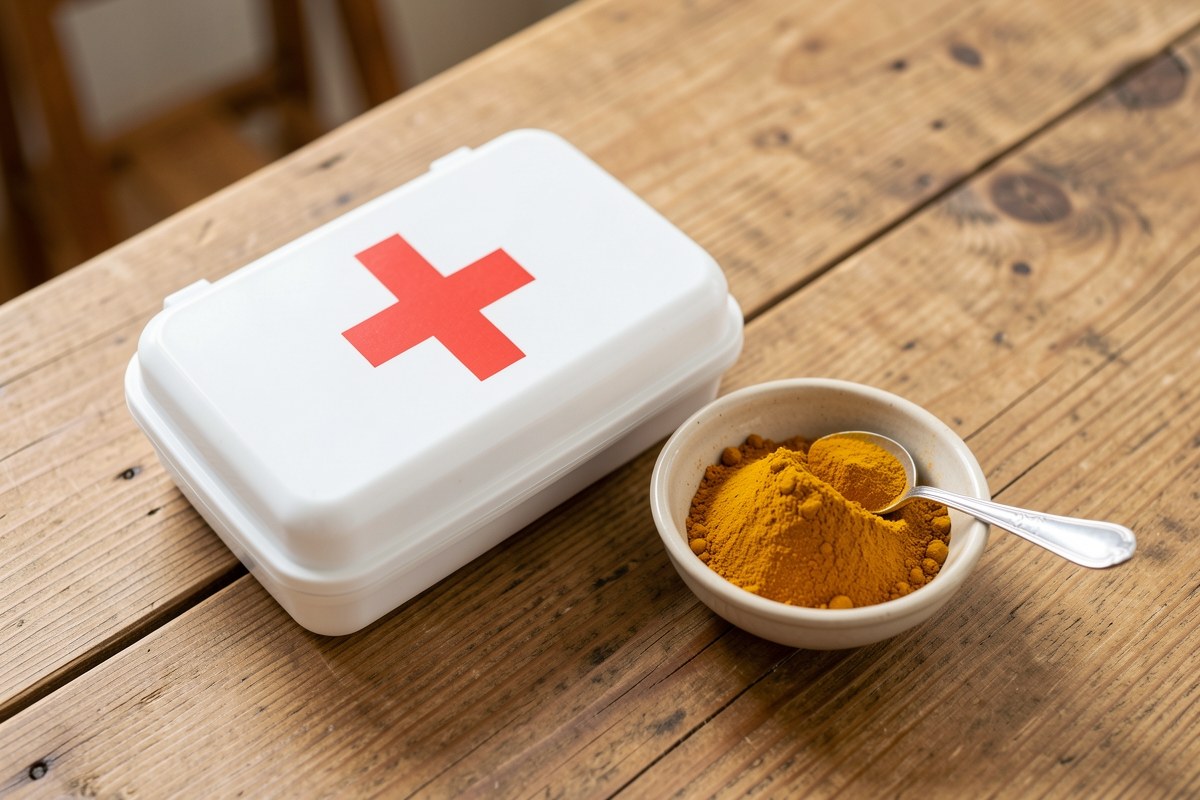
Typical culinary amounts
When you cook with turmeric, you usually use small amounts—often a teaspoon or less per dish. Unless you have an allergy or severe intolerance, consuming a few teaspoons of turmeric per day in food is considered safe.
A few measuring tips can help you use turmeric accurately in recipes:
Remember that the amount of turmeric in a single serving of a dish is typically well within safe culinary limits. However, if you regularly eat large quantities or make turmeric-heavy recipes every day, keep track of your total intake.
- One teaspoon of ground turmeric is about 3 grams. Two teaspoons equal about 6 grams.
- Fresh turmeric root is more subtle in flavor and moisture; when substituting, you may need to use about three times the amount by volume as ground, but adjust to taste.
- When a recipe calls for a pinch, start with less than 1/8 teaspoon and add more to taste.
- Because turmeric can stain, use a metal or glass measuring spoon and rinse immediately after measuring.
Sources: Ohio State Health & Discovery
Possible Side Effects and Allergic Reactions
For most people, turmeric in food is well tolerated. However, a small number of individuals may experience an allergy or intolerance. Symptoms of a turmeric allergy can include a rash, hives, or abdominal pain after eating it.
High-dose turmeric or curcumin supplements have been associated with stomach upset, nausea, or diarrhea in some people. These effects are more likely with concentrated supplements than with culinary amounts, but if you notice digestive discomfort after eating turmeric-heavy meals, you might be sensitive to it.
If you suspect an allergy, stop using turmeric and consult a healthcare provider. They can help determine whether your reaction is truly an allergy or another form of intolerance.
Sources: Johns Hopkins Medicine, High Science, Cookist
Interactions with medications
Turmeric’s effect on blood clotting is an important consideration if you take certain medications. High-dose turmeric or curcumin supplements can interact with blood thinners such as warfarin, aspirin, and clopidogrel, potentially increasing the risk of bleeding.
Additionally, curcumin supplements may interact with some chemotherapy drugs, including camptothecin, mechlorethamine, doxorubicin, and cyclophosphamide. People taking tacrolimus may also experience increased side effects if they consume large amounts of curcumin.
The evidence for many interactions comes from studies of concentrated supplements, not typical culinary use. Still, if you are on any prescription medication—especially blood thinners or chemotherapy—talk to your healthcare provider about your turmeric intake, whether from food or supplements.
Turmeric contains oxalates, and eating very large amounts may increase the risk of kidney stones in people who are prone to them. If you have a history of kidney stones, moderate your turmeric use and stay well hydrated.
Sources: Ohio State Health & Discovery, Johns Hopkins Medicine, High Science, Cookist
Special Considerations: Pregnancy, Surgery, Gallstones
Pregnancy and breastfeeding: Culinary amounts of turmeric in food are generally considered safe during pregnancy and breastfeeding. However, high-dose turmeric or curcumin supplements have not been adequately studied in these populations, so they are typically advised against.
Surgery: Because turmeric can affect blood clotting, it is recommended to stop taking turmeric supplements about two weeks before any surgery. If you are scheduled for a procedure, tell your surgeon about any supplements you take.
Gallstones or gallbladder disease: Turmeric may cause the gallbladder to contract, which could be problematic for people with gallstones or blocked bile ducts. If you have gallbladder disease or a history of gallstones, it is safest to avoid turmeric supplements and large amounts of turmeric in food.
Sources: Ohio State Health & Discovery, High Science, Cookist
When to Seek Medical Advice
This guide is for educational purposes and is not a substitute for professional medical advice. If you have a known medical condition, take prescription medications, are pregnant, or plan to have surgery, talk to your doctor about your turmeric consumption—especially if you use supplements.
Seek medical advice if you experience symptoms after eating turmeric that concern you, such as skin rashes, hives, severe stomach upset, or if you suspect an allergy. Also consult a healthcare provider before taking turmeric supplements if you are on any medication, as interactions are possible.
Safe storage
Proper storage keeps turmeric fresh and prevents it from absorbing odors. Ground turmeric should be kept in an airtight container away from light and heat; it will retain potency for about a year, though it won't spoil but may lose flavor.
Fresh turmeric root can be stored in a freezer bag and frozen for up to six months. You can also wrap it in a paper towel and refrigerate for up to two weeks.
Turmeric is notorious for staining countertops and fabric. To remove turmeric stains from many surfaces, a gentle abrasive or a chlorine-based cleanser can be effective. For fabric, it is best to treat the stain quickly.
To minimize staining while cooking, wear an apron, protect your countertop with a cutting board or parchment paper when grating fresh turmeric, and wipe up spills right away.
Sources: Johns Hopkins Medicine
Frequently asked questions
How much turmeric is safe to eat per day?
Unless you have an allergy or severe intolerance, it is safe to consume a few teaspoons of turmeric per day in food. This is based on whole-food use; concentrated supplements are much stronger and have different safety considerations.
Sources: Ohio State Health & DiscoveryCan turmeric cause stomach upset?
Yes, high-dose turmeric or curcumin supplements can cause stomach upset, nausea, or diarrhea in some individuals. Culinary amounts are less likely to cause problems, but if you are sensitive, you may experience discomfort even with food.
Sources: High Science, CookistIs fresh turmeric safer than ground?
There is no evidence that fresh turmeric is inherently safer than ground turmeric. Both are forms of the whole root and contain similar compounds. The main difference is concentration—ground turmeric is more concentrated per volume than fresh, but both are safe in culinary amounts for most people.
Does turmeric interact with blood thinners?
High-dose turmeric or curcumin supplements can interact with blood thinners such as warfarin, aspirin, and clopidogrel, increasing the risk of bleeding. If you are taking these medications, talk to your doctor about your turmeric intake, including supplements.
Sources: Ohio State Health & Discovery, Johns Hopkins Medicine, High Science, CookistCan I cook turmeric if I'm allergic to it?
If you have a diagnosed allergy to turmeric, you should avoid it entirely, including in cooking. Even small amounts can trigger a reaction. Symptoms may include rash, hives, or abdominal pain. Consult an allergist for personalized guidance.
Sources: Johns Hopkins MedicineSources
- Explaining turmeric’s health benefits — and limitations — Ohio State Health & Discovery
- Turmeric Benefits — Johns Hopkins Medicine
- Turmeric Interactions and Safety: Medications, Risks, and Who Should Avoid Use — High Science
- 12 Serious Side Effects of Turmeric — Cookist