Understanding Turmeric's Flavor Profile
Turmeric brings a warm, earthy flavor with subtle peppery notes and a gentle bitterness. This distinctive taste is what makes it a cornerstone of many spice blends and dishes, from golden milk to hearty stews. When using turmeric in your cooking, recognize that it is not just a coloring agent; it adds a layer of complexity that enhances savory foods.
Fresh turmeric root offers a brighter, more peppery-citrusy taste and is less bitter than its dried, powdered counterpart. While both forms are valuable in the kitchen, understanding their differences helps you choose the right one for your dish and adjust cooking techniques accordingly.
Sources: The American Turmeric Company
How to Bloom Turmeric for More Aroma
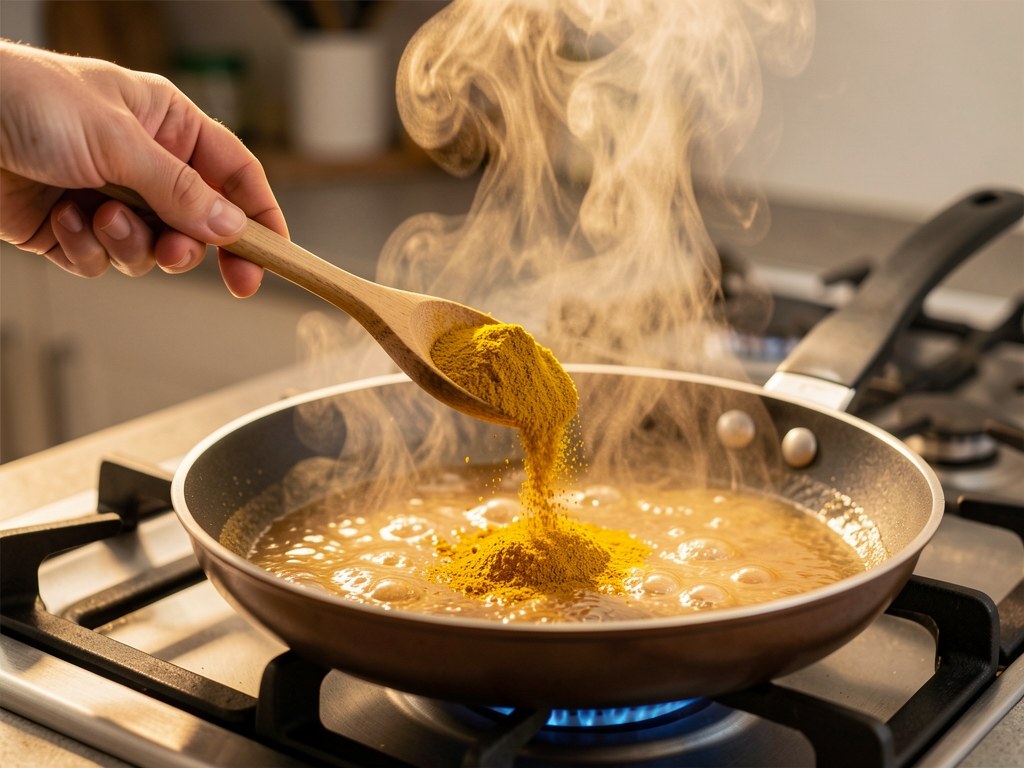
One of the most effective ways to deepen turmeric's aroma and mellow its bitterness is to bloom it in oil at the start of cooking. Heating turmeric in a little oil—such as olive or coconut oil—releases its essential oils and makes the spice more fragrant. This technique is common in Indian cooking, where spices are often toasted in oil before adding other ingredients.
To bloom turmeric, warm a small amount of oil in a pan over medium heat, then add the turmeric and stir for about 30 seconds until it becomes aromatic. Be careful not to burn it, as high heat can diminish its flavor. Blooming also helps the turmeric integrate more evenly into the dish, reducing the chance of bitter pockets.
Sources: DAREBEETS, Alibaba Spice Basics
When to Add Turmeric During Cooking
Timing matters when cooking with turmeric. For long-cooked dishes like soups, stews, and curries, add turmeric early so its flavor melds with the other ingredients. This allows the spice to soften and distribute its color throughout the dish.
If you are making a quick sauté or sauce, blooming turmeric in oil at the beginning works well. Avoid adding turmeric directly to acidic ingredients like tomatoes without sufficient fat, as this can make it taste bitter. Instead, cook the turmeric in oil first, then add acidic components.
For a final lift, consider finishing a dish with a squeeze of lemon or a sprinkle of black pepper just before serving. This brightens the flavor and complements turmeric's earthiness.
Sources: DAREBEETS, Alibaba Spice Basics
Pairing Turmeric with Other Spices and Ingredients
Turmeric pairs beautifully with a range of spices, including ginger, cumin, coriander, paprika, garlic, and chili. These combinations are common in curry powders and spice blends, and they enhance turmeric's warm profile without overwhelming it.
Turmeric also complements creamy and citrusy elements. Ingredients like lemon, lime, yogurt, and tahini help balance its earthiness and add brightness. A classic pairing is turmeric with black pepper and a healthy fat, such as olive oil or coconut oil, which not only improves flavor but also helps your body absorb curcumin, the compound in turmeric responsible for many of its benefits.
When building a dish, think of turmeric as a background note that supports other flavors. Start with a modest amount and adjust to taste, keeping in mind that its bitterness can become prominent if you use too much.
Sources: Spice Storyteller, Happy Muncher, Masala Herb
How to Avoid Stains and Bitter Spots
Turmeric is a vibrant yellow spice that can leave stubborn stains on porous surfaces and fabrics. To avoid ruining your kitchen counters or clothes, handle turmeric with care. Use stainless steel or non-porous cutting boards and wipe up spills immediately. When measuring powdered turmeric, do it over the sink or a bowl to prevent clouds of powder from settling on surfaces.
Bitter spots in a dish often result from overusing turmeric or cooking it in a way that concentrates its bitterness. To prevent this, use the correct amount for your recipe and bloom the turmeric in oil rather than adding it directly to a dry pan or acidic liquid. If you do notice a bitter taste, you can often fix it by adding a pinch of sweetness, a squeeze of citrus, or extra spices to balance the flavor.
Sources: DAREBEETS
Balancing Turmeric's Bitterness
Turmeric's natural bitterness is part of its appeal, but when it becomes too strong, it can dominate a dish. Several approaches help mellow that edge. Pairing turmeric with sweet or acidic ingredients can counterbalance the bitterness. For example, a dash of honey, a splash of citrus juice, or a spoonful of yogurt can round out the flavor.
Another effective method is to combine turmeric with other spices that distract from bitterness. Cumin, coriander, and ginger all complement turmeric and can make the overall flavor more harmonious. Additionally, cooking turmeric with fat—as in blooming in oil or adding it to a dish with dairy or coconut milk—helps soften its harsh notes.
Experimentation is key. Start with a small amount of turmeric and taste as you go. You can always add more, but it's difficult to remove excess once it's in the pot.
Sources: Happy Muncher, Alibaba Spice Basics
Common Turmeric Cooking Mistakes to Avoid
Even experienced cooks can fall into a few turmeric pitfalls. One common mistake is using too much turmeric, which can make a dish bitter and overpower other flavors. A little goes a long way, and it's better to start with less and build up.
Another error is adding turmeric directly to hot oil without stirring or allowing it to burn. High heat can scorch the spice, creating a bitter taste. Keep the temperature moderate and stir constantly when blooming.
Also, be mindful of how long you cook turmeric. Prolonged high-heat cooking can diminish its flavor and nutritional value. Gentle simmering is preferable for stews and curries.
Finally, don't forget to incorporate black pepper and a source of fat in your turmeric dishes. Not only do they enhance flavor, but they also aid in the absorption of curcumin, the active compound in turmeric. Following these tips will help you avoid the most common mistakes and make the most of this vibrant spice.
Frequently asked questions
Should I bloom turmeric in oil?
Yes, blooming turmeric in oil is a great technique to enhance its aroma and reduce its bitterness. Heat a little oil in a pan, add the turmeric, and stir for about 30 seconds until fragrant. This releases the spice's essential oils and helps it meld smoothly into your dish.
Sources: DAREBEETS, Alibaba Spice BasicsWhy does turmeric taste bitter sometimes?
Turmeric has a naturally bitter undertone. Bitterness can become more pronounced if you use too much, if you cook it at very high heat, or if you add it directly to acidic ingredients like tomatoes without sufficient fat. To minimize bitterness, use moderate amounts, bloom in oil, and balance with sweet or citrusy flavors.
Sources: Spice Storyteller, Alibaba Spice BasicsHow can I avoid yellow stains?
Turmeric can stain porous surfaces and fabrics. To avoid stains, work over a sink or bowl when measuring, wipe up spills immediately, and wear an apron if you're prone to splashes. On surfaces, clean promptly with dish soap and water to help prevent the pigment from setting.
Sources: DAREBEETSWhat spices go well with turmeric?
Turmeric pairs well with many spices, including ginger, cumin, coriander, paprika, garlic, and chili. These spices complement turmeric's earthy and warm flavor, creating a balanced and aromatic blend. You can also combine turmeric with black pepper to enhance curcumin absorption.
Sources: Spice Storyteller, Happy Muncher, Masala HerbHow can I mellow turmeric's earthy flavor?
If you find turmeric's earthy, bitter taste too strong, you can mellow it by pairing it with sweet or acidic ingredients. Add a touch of honey, a squeeze of lemon or lime, or a spoonful of yogurt or tahini. Balancing turmeric with these elements softens its intensity and makes the dish more approachable.
Sources: DAREBEETS, Happy MuncherSources
- American-Inspired Turmeric Dishes: A Flavorful Journey — The American Turmeric Company
- Cooking with Turmeric: Recipes and Benefits — Spice Storyteller
- Spice: Turmeric Powder — DAREBEETS
- What Spices, Herbs & Foods Go Well with Turmeric? — Happy Muncher
- Turmeric Taste Profile: Eliminate Bitterness with Oil-Blooming Technique — Alibaba Spice Basics
- Turmeric Spice, Uses + Recipes — Masala Herb